

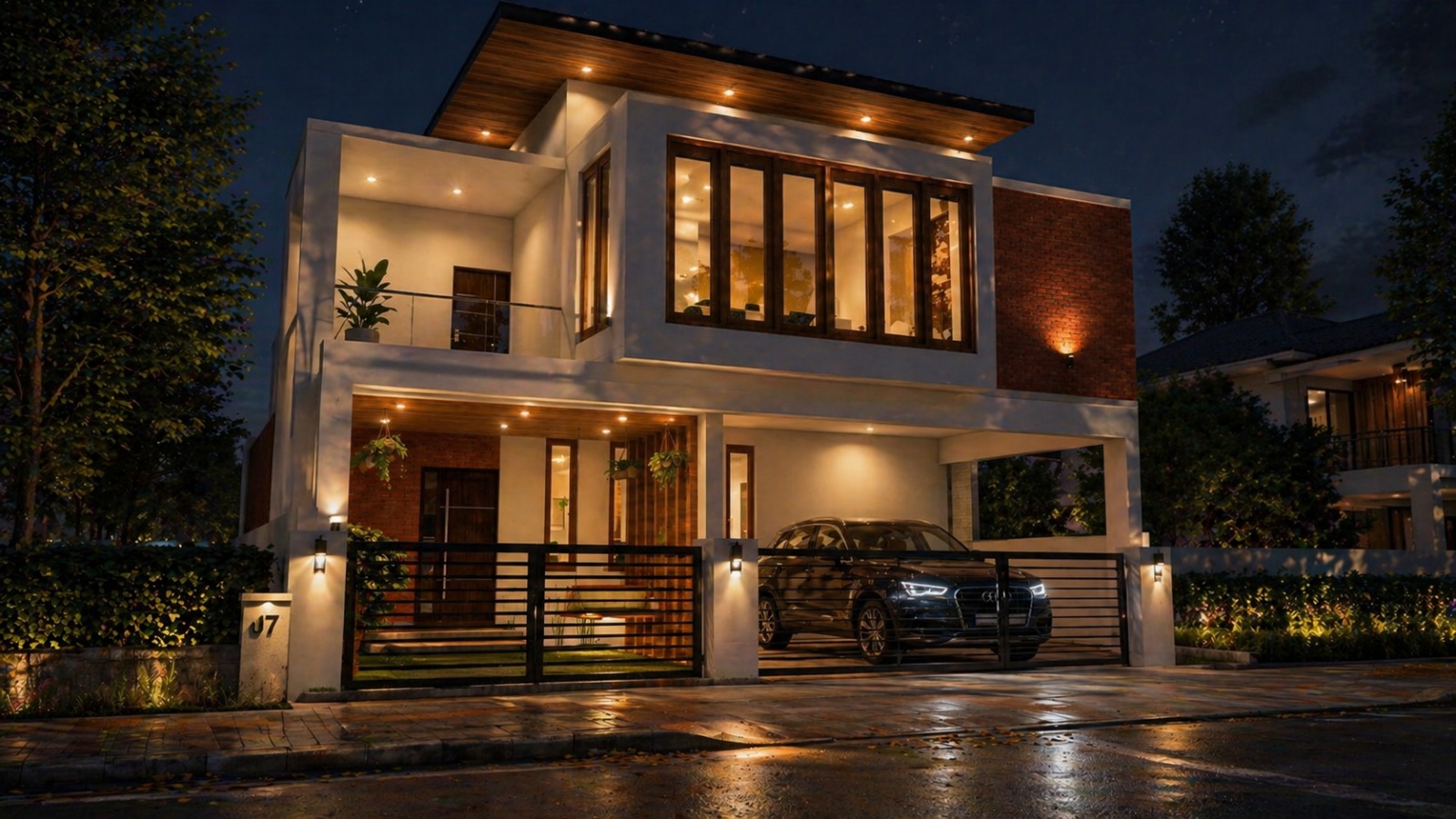
Modern House Design: Where Style Meets Smart Living
1. Modern Living Begins with Smart Planning
A modern home is more than an attractive exterior. Every room should be planned to maximize comfort, functionality, and efficient use of space.
2. Open Spaces Create Better Connections
Open-plan living areas combine the living room, dining space, and kitchen to create brighter interiors, better interaction, and a greater sense of spaciousness.
3. Natural Light Enhances Every Space
Large windows, skylights, and thoughtfully positioned openings allow abundant daylight to enter the home, reducing energy consumption while improving well-being.
4. Indoor and Outdoor Living
Modern homes seamlessly connect interior spaces with gardens, decks, courtyards, and balconies, creating a closer relationship with nature.
5. Smart Space Utilization
Every square foot should have a purpose. Built-in storage, multi-functional furniture, and efficient layouts make homes feel larger without increasing the built-up area.
6. Minimal Design with Maximum Impact
Clean architectural lines, simple forms, and carefully selected materials create timeless elegance without unnecessary decoration.
7. Sustainable and Energy-Efficient Design
Modern homes prioritize sustainability through natural ventilation, solar-ready planning, rainwater harvesting, and energy-efficient building materials.
8. Technology That Improves Daily Life
Home automation systems, smart lighting, security solutions, climate control, and energy monitoring enhance convenience and safety.
9. Spaces Designed Around Lifestyle
A modern home should reflect the family's unique needs, whether it's a home office, gym, entertainment room, reading corner, children's play area, or wellness space.
10. Comfort Through Intelligent Ventilation
Proper cross-ventilation and strategic window placement ensure fresh air circulation, improving indoor comfort throughout the year.
11. Timeless Materials and Finishes
Natural stone, wood textures, exposed concrete, glass, and premium finishes combine durability with contemporary aesthetics.
12. Flexible Spaces for the Future
Modern homes are designed to adapt to changing family needs, allowing rooms to evolve without major structural changes.
13. Personalized Architecture
Every site, climate, and family is different. A successful modern house is customized rather than copied from trends.
14. Safety Without Compromising Design
Modern planning integrates structural strength, accessibility, child-friendly features, and advanced security systems while maintaining visual elegance.
15. A Home That Adds Long-Term Value
Thoughtful architecture increases property value, reduces maintenance costs, improves energy efficiency, and creates a better quality of life for years to come.
Conclusion
A truly modern home is not defined by its appearance alone. It is a perfect balance of style, functionality, sustainability, and smart planning. When architecture is designed around the people who live in it, every space becomes more comfortable, efficient, and meaningful. The best modern homes don't just look impressive—they enhance everyday living.